Compare three furniture-layout packages before hiring villa interior design services
Planning scenario: The most complete-looking villa design proposal may carry the least responsibility once orders leave the drawing board. A US villa owner must compare three packages by tracing the same rooms from field measurement to installation, then decide who will resolve missed dimensions, delayed furniture, damaged freight, and conflicts at the pool terrace.
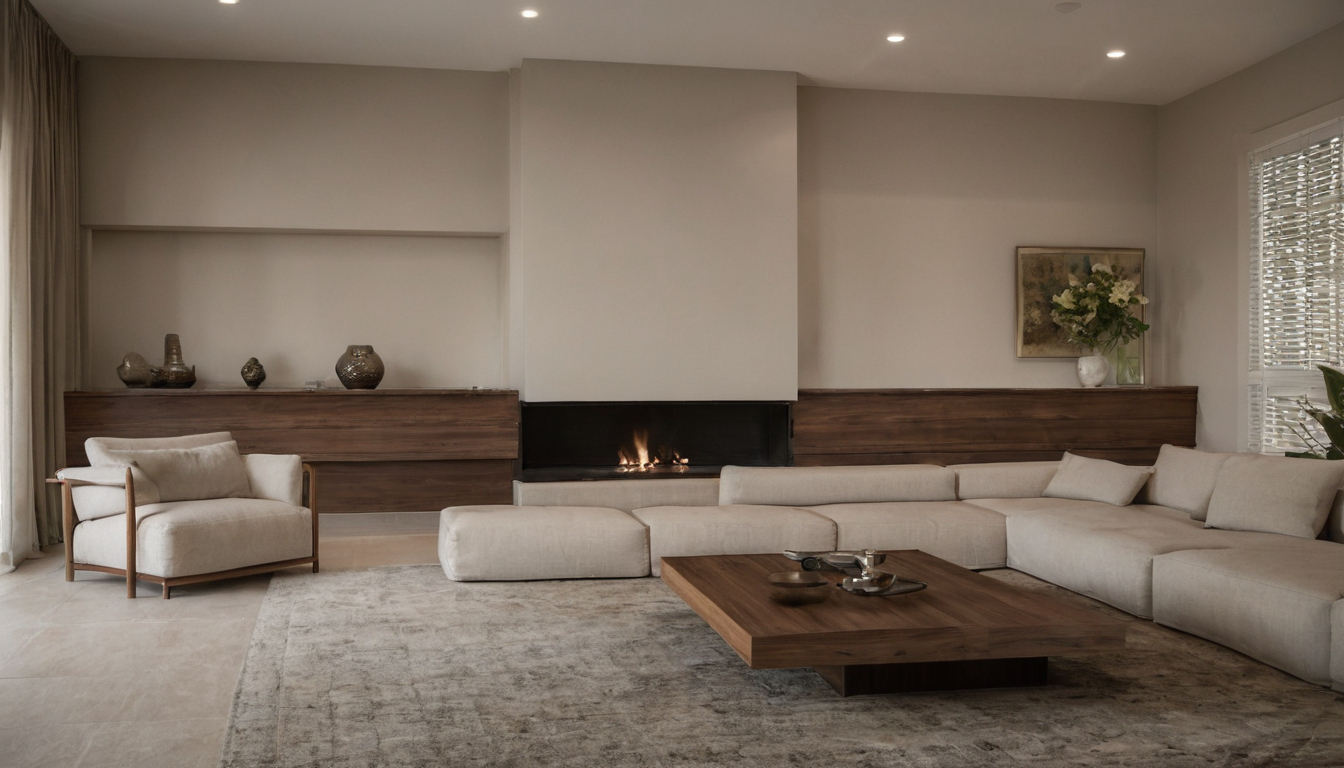
Compare three furniture-layout packages before hiring villa interior design services shown as an editorial reference for proportion and finish coordination.
The useful question is not which package sounds most comprehensive. It is how much unresolved work returns to the owner after each approval. A normalized responsibility map makes that transfer visible before any contract is signed.
Which deliverables belong in each of the three interior design services packages?
For a US villa owner comparing interior design services, the packages separate design intent from purchasing responsibility: a dimensioned plan tests fit, a specified layout names products, and full-service procurement adds ordering, tracking, installation, and issue handling. Compare each proposal using identical rooms, assumptions, revision rounds, deliverable formats, and approval gates.
A common scope matrix reveals responsibilities hidden by package names
Package names are not standardized across interior design firms. Build the comparison from each written proposal’s definitions, not from labels such as “complete design” or “concierge service.” Every firm should price the same villa location, construction status, interior room list, terraces, and installation objective.
- Dimensioned layout package: Require field-verification responsibility, scaled furniture plans, circulation dimensions, relevant elevations, file formats, revision allowance, and exclusions. Mark the plan as advisory or approved for layout only. Generic furniture footprints do not authorize product purchases. The owner, architect, contractor, or designer must be named as responsible for base drawings and site measurements.
- Specified-furniture layout: Add a furniture schedule with manufacturer or vendor, product reference, dimensions, quantity, finish, upholstery, alternates, and delivery-path checks. State whether the schedule is suitable for vendor quotations or approved for owner purchasing. If material selection is included, request emissions and product documentation where relevant because the U.S. Environmental Protection Agency identifies furnishings and several finish materials as potential indoor VOC sources.
- Full-service procurement: Add quotations, purchase authorizations, deposits, ordering, acknowledgments, freight coordination, receiving, inspection, storage, installation, damage reporting, deficiency resolution, and final reconciliation. Assign each step to the designer, vendor, carrier, receiving warehouse, installer, or owner rather than grouping everything under “procurement.”
The comparison should separate four decisions. Design approval accepts the arrangement. Product approval accepts the selected item. Purchasing authorization releases money and orders. Installation acceptance records condition, placement, and unresolved defects. Each proposal should identify who signs each decision and what happens after the included revisions are exhausted.
Villa-specific coordination belongs in the comparison from the first proposal
A villa scope is incomplete if it stops at the interior wall. Give each bidder the architectural floor plans, reflected ceiling plans, door schedule, terrace drawings, and current landscape plan. Ask for written confirmation that the quoted work includes, or explicitly excludes, exterior furniture zones and indoor-outdoor rooms.
- Who checks finished-floor transitions and the glazed terrace door’s swing?
- Who protects circulation between the pool, shower, and interior seating?
- Who coordinates lighting positions, terrace furniture, drainage-sensitive interfaces, and landscape work?
- Who checks that a console, tall chair, or planting decision does not block the pool sightline?
Once those boundaries are visible, the owner can judge what the least extensive package truly approves: furniture fit on a verified plan, not products ready to buy.

Which deliverables belong in each of the three interior design services packages shown as a planning reference for layout, scale, and material decisions.
A dimensioned layout package tests villa furniture fit without specifying products
A dimensioned layout package should define furniture footprints, circulation clearances, door swings, focal axes, and terrace thresholds without committing the owner to products. A comparable proposal states the drawing scale, rooms covered, measurement responsibility, file format, revision allowance, and whether approval confirms fit or authorizes purchasing.
The owner should expect room dimensions, fixed architectural elements, generic furniture footprints, and key clearances on a PDF, printed set, CAD export, or marked architectural plan. The drawing should help the owner size a living room seating group before buying, but it should also state that generic blocks are not product specifications.
Field verification must occur before the villa layout is treated as final
A concept prepared from a listing plan or preliminary architectural drawing cannot carry the same approval status as a field-checked plan. The drawing register should identify the base plan’s date and author. The proposal should say whether the designer receives an architect-prepared survey, performs a site measure, or relies on owner-supplied dimensions.
Field-measure responsibility should cover columns, niches, built-ins, outlets, floor registers, finished wall thicknesses, glazed terrace-door swings, and changes at exterior thresholds. The selected interior design services firm should document its measuring procedure and working tolerances. Contract language should also explain who corrects the layout when supplied drawings conflict with current site conditions.
Revision limits should distinguish layout changes from scope changes
The proposal should name the initial schemes and included revision rounds for each room. A revision round should mean one consolidated set of owner comments, not an open sequence of emails. Moving a seating group or correcting a rug that crosses a circulation route may qualify as a revision if the approved room list and design direction remain unchanged.
Adding a room, requesting a new scheme, reopening an approved plan, or redrawing after late architectural work becomes a scope change only when the agreement defines it that way. The contract should give the documented pricing method for extra work and address paused decisions, fragmented feedback, and construction changes made after approval.
A dimensioned plan can confirm that furniture should fit. Fit alone does not identify exact dimensions, finishes, upholstery, substitutions, or delivery constraints. The next package must turn the approved villa layout into a purchasing brief.
A specified-furniture layout turns the approved villa plan into a purchasing brief
A specified-furniture layout should pair every planned item with an approved maker, model, dimensions, finish, upholstery, quantity, source, and substitution rule. Unless purchasing authority is included, the villa owner still manages quotations, orders, freight, storage, inspection, returns, and installation.
Every specified villa furniture item needs an approval-ready record
An approval sheet must describe a real product, not a mood-board image. The schedule should show whether the source is retail, trade-only, custom, antique, vintage, or an owner-purchased alternative, with the date on which price and availability were checked.
- Identity: Item code, room, quantity, manufacturer, model, current seller, and product link or quotation reference.
- Configuration: Overall dimensions, orientation, finish, fabric, color, electrical requirements where relevant, and approved options.
- Evidence: Supplier cut sheet, finish sample, upholstery memo, stone or wood sample, warranty, care instructions, and signed approval fields.
- Coordination: Comparison against the approved footprint, rug edges, door swings, lamps, tables, and adjacent seating. Exact products must also coordinate seat and table heights.
- Delivery path: Verified dimensions for gates, elevators, stairs, corridors, door openings, and turning points.
A product that differs from the generic footprint should return to the plan for approval. The substitution procedure should require a revised cut sheet, updated dimensions, finish confirmation, price and availability recheck, and written owner acceptance. For covered online, mail, or telephone orders with no stated shipping time, the Federal Trade Commission explains that the seller generally needs a reasonable basis to expect shipment within 30 days, subject to the rule’s conditions and exclusions.
Performance specifications matter where villa rooms open to the pool terrace
Performance review should follow the actual exposure: direct sun through a glazed terrace door, wet swimwear, pets, rental turnover, pool proximity, or sheltered outdoor placement. Request supplier-issued test results and use designations for the selected fabric, foam, finish, rug, and exterior furniture rather than accepting “performance” as a general label.
The Association for Contract Textiles assesses represented contract fabrics through separate categories including abrasion, lightfastness, wet and dry crocking, physical properties, and flammability. The specification should record the supplier’s test method and result, stain-treatment terms, care instructions, indoor or outdoor designation, and any applicable fire-code documentation.
Finish approvals also need a maintenance plan. The Natural Stone Institute recommends neutral cleaners, stone soap, or mild dishwashing detergent with warm water for natural stone and warns that abrasive scouring powders or creams can scratch it. Where installation products emit volatile organic compounds indoors, the EPA recommends increased ventilation during use.
A complete specification closes the selection gap, but only full-service procurement closes the accountability gap between an approved product and an installed one.
Full-service procurement adds purchasing accountability to villa interior design
For a furnished US villa needing one accountable coordinator, full-service procurement should carry the approved layout through quotations, purchase authorization, vendor orders, freight, receiving, damage claims, installation, and final reconciliation. The agreement should name the purchasing entity, tax treatment, discount policy, reimbursable expenses, insurance boundaries, cancellation terms, and the point at which selections become nonreturnable.
The procurement contract must assign every order-stage responsibility
The owner should trace one item, such as a sectional facing the pool terrace, from signed approval to its final position. If any step lacks a named party or document, the proposal still contains an accountability gap.
- Before ordering: Require an approved specification, current vendor quotation, purchase authorization, deposit request, cancellation terms, and written treatment of trade discounts or markups. The contract should identify whether the designer, owner, or another legal entity contracts with the vendor and holds title to the goods at each stage.
- During ordering: Require a purchase order and shared tracker showing vendor, item, finish, quantity, payment status, acknowledged shipping window, delivery address, and back-order status. For covered mail, internet, or telephone orders, the Federal Trade Commission’s merchandise rule requires a reasonable basis for a represented shipping time. If the seller cannot ship within the applicable period, the seller generally must seek consent to the delay or provide a prompt refund under the rule’s procedures.
- Before payment: Assign responsibility for checking acknowledgments against the approved specification. The proposal should state who authorizes deposits and balances, how quickly the owner must respond, and what happens when owner-caused delay changes availability or freight arrangements.
- Across jurisdictions: Have a qualified accountant or attorney review state-specific sales tax, resale certificates, purchasing-agent language, deposits, title, insurance, and risk of loss. Contract wording alone does not settle the legal or tax treatment.
Receiving and installation are separate from delivery to the villa
A carrier reaching the villa gate is not the same as inspected, assembled, room-placed furniture. Full-service interior design services should identify whether a receiving warehouse will accept cartons, inspect visible damage, store goods, document concealed damage, coordinate claims, and release pieces for installation.
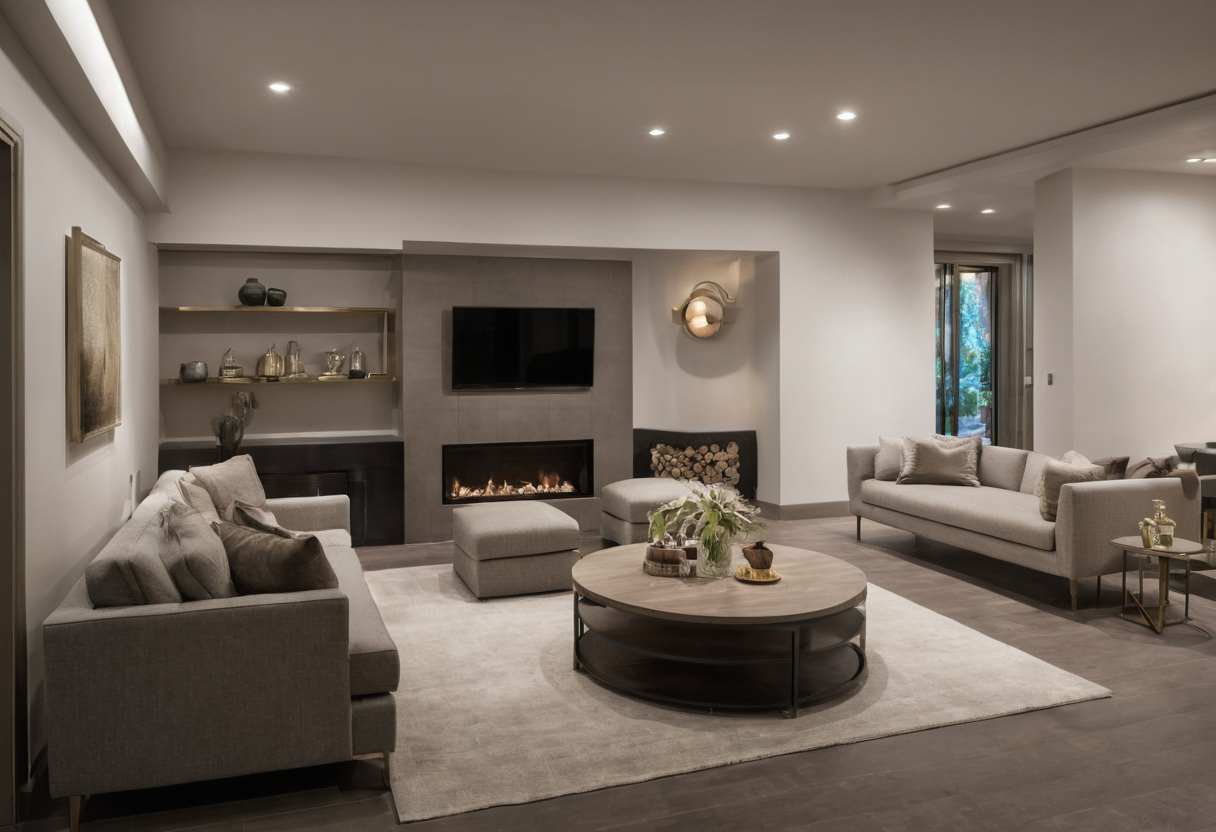
Full-service procurement adds purchasing accountability to villa interior design shown as an editorial reference for proportion and finish coordination.
- Confirm the receiver’s scope: Obtain the local fee schedule and written boundaries for inspection, photography, storage, assembly, delivery, packaging removal, and damage reporting.
- Document freight problems: Record carton condition, shipment identifiers, photographs, delivery paperwork, and the amount claimed. A freight claim governed by 49 CFR Part 370 must identify the shipment, assert carrier liability, and demand a specified or determinable amount, according to 49 CFR § 370.3.
- Verify site readiness: Confirm access, finished floors, dry paint, working power, security, cleared rooms, protected thresholds, and completion of contractor work before installation day.
- Close the order: Require room-by-room placement, an installation checklist, punch-list ownership, warranty follow-up, owner sign-off, and a final reconciliation matching authorizations, vendor invoices, freight, storage, installation, credits, and refunds.
Only after these responsibilities are visible can the owner normalize interior design services quotes and see whether a lower proposal removes fees or merely transfers unresolved work back to the villa team.
Interior design services quotes are comparable only after fees and revision rules are normalized
Interior design services proposals become comparable only after the owner maps each quote against the same villa, room list, location, and installation window. Separate design fees, purchasing charges, vendor costs, logistics, travel, and taxes. Then record revision caps, approval deadlines, exclusions, and the pricing method for additional work.
A quote-normalization table prevents low-scope proposals from appearing less expensive
Request three current written quotes for one anonymized brief. In a comparison worksheet, give every scope row the same label and mark it included, excluded, allowance, reimbursable, percentage-based, or not yet quoted.
- Design: Layouts, specifications, meetings, presentations, site visits, drawing updates, and construction coordination.
- Purchasing: Quotations, purchase orders, deposits, order tracking, substitutions, warranties, and closeout reconciliation.
- Logistics: Freight, receiving, inspection, storage, delivery, assembly, installation, travel, taxes, and contingencies.
- Commercial terms: Fee basis, billing frequency, retainer replenishment, revision rounds, late-payment terms, pause provisions, quote validity, and assumptions.
Unpriced exclusions need separate quotations before selection. Even an efficiency promise needs a defined product scope. ENERGY STAR states that qualified LED lighting uses at least 75 percent less energy and lasts up to 25 times longer than incandescent lighting, where qualified products apply.
Contract risks often sit in exclusions, ownership clauses, and termination terms
The agreement should state who may use drawings and specifications, what documents transfer at termination, and who manages open orders, cancellations, vendor warranties, refunds, confidentiality, photography, suspension, and disputes. A qualified attorney in the governing state should review these provisions.
Once fees and responsibilities align, compare the approval dates that hold the interior, procurement, construction, and landscape teams to one workable villa timeline.
The villa approval timeline must coordinate interiors, procurement, construction, and landscape work
For a villa with pool-terrace sightlines and active landscape work, the approval timeline should move from verified survey through layout freeze, product sign-off, purchasing authorization, site-readiness review, delivery, and installation. Interior and landscape teams need named exchange dates for thresholds, exterior furniture zones, door clearances, lighting, drainage interfaces, and views before orders become binding.

The villa approval timeline must coordinate interiors, procurement, construction, and landscape work shown as a landscape planning reference.
Each villa approval gate needs a named document and decision maker
The project schedule should connect supplier lead times with construction dates for finished floors, glazing, millwork, electrical work, painting, and access. It should also track terrace completion, paths, exterior lighting, planting, irrigation, drainage, and outdoor furniture placement.
- Survey: Issue verified dimensions and record site conditions.
- Layout freeze: Approve circulation, door swings, rugs, furniture footprints, and pool sightlines.
- Specification approval: Sign off products, finishes, samples, substitutions, and delivery-path checks.
- Quotation and purchasing authorization: Confirm current terms before orders become binding.
- Receiving and site readiness: Verify inspection responsibility, storage, access, completed finishes, and installation conditions.
- Installation: Assign supervision, deficiency reporting, and final acceptance.
An approval register should name the document, revision, issuer, approver, issue date, due date, and status. One owner representative should consolidate comments. The agreement should also address electronic signatures, any deemed-approval rule, reopened decisions, and escalation when architect, contractor, interior designer, and landscape information conflicts. Missed response dates should trigger a documented schedule review, not an assumed unchanged installation date.
A final package decision should follow the owner’s capacity to manage unresolved work
- Choose layout-only if the owner can measure, source, order, inspect, store, install, and resolve vendor problems.
- Choose specified furniture if the owner can manage purchasing from an approval-ready schedule.
- Choose procurement when a remote, seasonal, occupied, or staff-managed villa needs one party assigned to order tracking and installation coordination.
Contract-focused FAQ
What is the difference between a furniture layout and a furniture specification package?
A furniture layout establishes arrangement, footprints, and circulation. A specification package adds identifiable products, exact dimensions, finishes, quantities, sources, performance records, and approval status. Neither package includes purchasing unless the agreement says so.
Who should verify villa room dimensions before a furniture plan is approved?
The contract should name one responsible party. The designer may measure, or the designer may rely on a current architect-prepared survey. Owner-supplied or preliminary dimensions should not be mistaken for field verification.
How many layout revisions should an interior design services proposal identify?
The proposal should state a definite number of schemes and consolidated revision rounds. It should also define additional services for new rooms, reopened approvals, fragmented comments, and changes caused by later construction work.
Does full-service procurement include freight, receiving, storage, and installation?
Not automatically. Each service should appear separately with its responsible party, fee method, exclusions, and required documents. Delivery to the villa gate does not mean inspection, assembly, room placement, or damage resolution is included.
When should villa furniture be approved if construction and landscaping are underway?
Approve furniture after dimensions, circulation, thresholds, access routes, and relevant pool-terrace interfaces are coordinated, but before supplier and construction deadlines make delay consequential. Tie every approval to a dated drawing, specification, quotation, and named decision maker.
Before signing, write every deliverable, fee, revision, approval date, responsibility, and exclusion into the agreement. Choose the package by the work left unresolved, not by the proposal’s title.